Overview
This post explores posture-related issues and examines whether technological correctors are genuinely helpful or potentially overhyped.
Poor posture has shifted from a niche ergonomic concern to a widespread health issue. Technological correctors claim to guide users towards improved alignment through real-time device-based feedback and behavioural reinforcement.
What Are Wearable Posture Correctors?
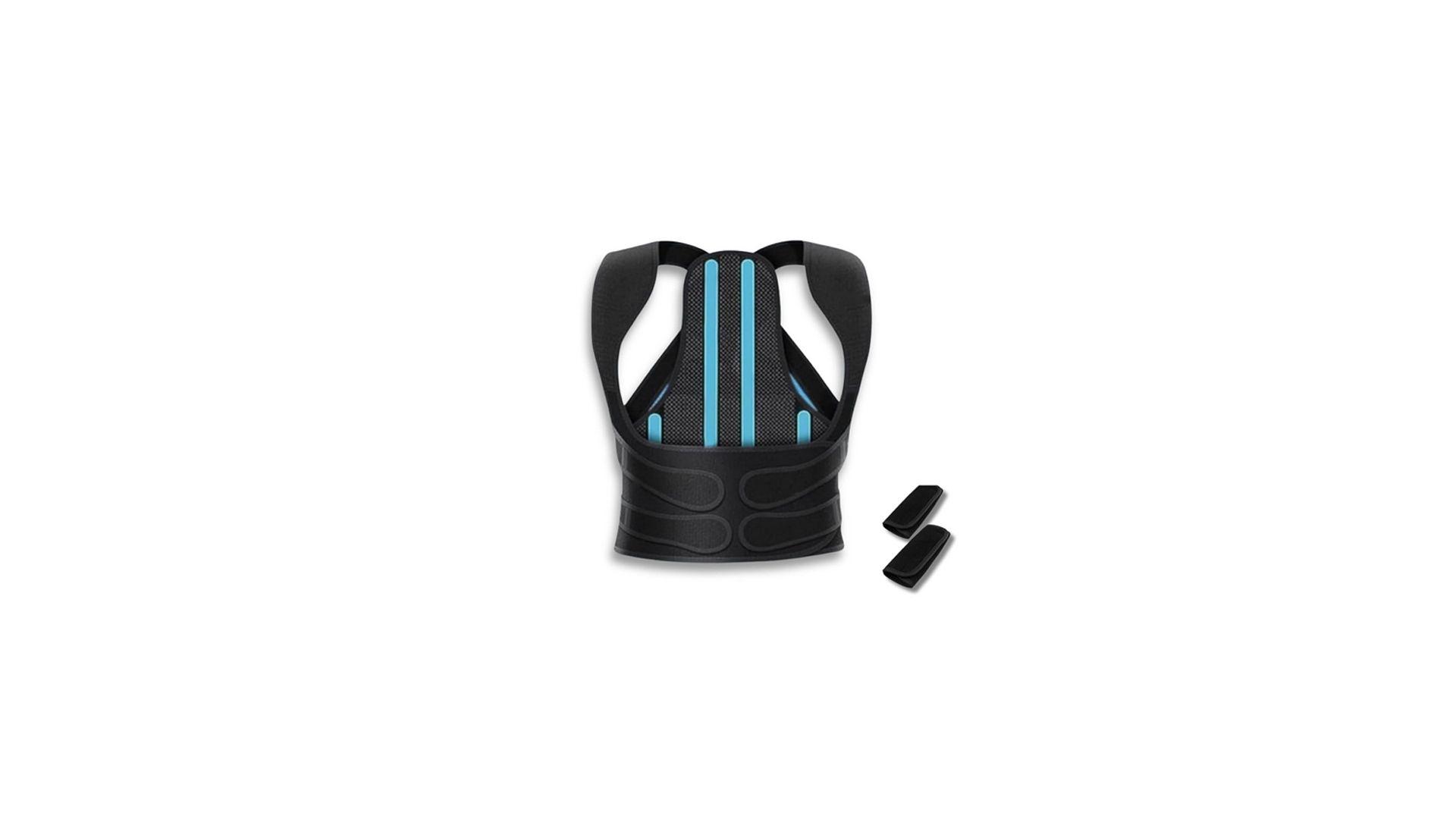
Wearable posture correctors are devices designed to monitor and influence body alignment.
How They Operate
Most smart posture correctors rely on inertial measurement units (IMUs), typically comprising of:
- Accelerometers
- Gyroscopes
- Magnetometers
Do They Work?
Short-Term Effectiveness
There is reasonable evidence, alongside user consensus, that posture correctors can:
- Increase awareness of posture habits
- Reduce slouching while in use
- Encourage small, frequent adjustments throughout the day
The primary mechanism here is biofeedback rather than structural correction.
Long-Term Impact
This is where expectations often diverge from reality:
- Posture is determined by muscle strength, endurance, and motor patterns, not just positioning
- These devices do not inherently strengthen muscles
- Over-reliance on passive supports may even weaken stabilising muscles over time
In short, posture correctors are training aids, not permanent solutions.
Common Pitfalls
Over-Reliance
Users may treat a device as a substitute for physical conditioning, similar to relying on a back brace instead of strengthening core muscles.
Alert Fatigue
Frequent notifications can lead to:
- Habituation (ignoring alerts)
- Eventual abandonment of the device
Poor Calibration
If the baseline posture is set incorrectly, feedback becomes unreliable, either overly sensitive or too lenient.
Limited Context Awareness
Most devices cannot distinguish between:
- Intentional posture changes (e.g. leaning forward to write)
- Unintentional slouching
This limitation can reduce the usefulness of the feedback.
Who Benefits Most?
Wearable posture correctors are most effective for:
- Desk-based workers with mild to moderate postural drift
- Individuals developing awareness of body mechanics
- Users motivated by data and feedback loops
They are less suitable for:
- Structural spinal conditions
- Chronic pain cases requiring clinical intervention
- Users expecting passive, “set-and-forget” correction
Future Directions
The category is evolving towards:
- AI-driven posture analysis with context-aware feedback
- Integration with wider health ecosystems (e.g. fitness trackers)
- Adaptive coaching models based on user behaviour over time
There may also be convergence with AR/VR environments, where posture tracking becomes part of immersive workflows.
Conclusion
Wearable posture correctors sit at the intersection of health technology and behavioural design. They are effective in raising awareness and prompting corrective action in the short term, but they are not a standalone solution.
Used appropriately, they can help build better habits. Used poorly, they risk becoming yet another unused gadget.
If you would like your technical products reviewed by the team at Code Inclusive, please email sales@codeinclusive.co.uk or utilise our online contact form.